

A Case Study in Book Rebranding
Putting Branding Principles to the Test with My Shifter Romance Books

Welcome to the The Reader-Focused Author series! Over the next few weeks, you'll receive fresh emails in your inbox on the topic of BRANDING, each one packed with insider secrets on aligning your books with their perfect audience.
By the time we wrap things up, you'll have an entire book's worth of strategies to analyze your existing works, identify your target readers' desires, and rebrand with a cohesive, compelling vibe that makes sales skyrocket.
The Reader-Focused Author Series — Branding: Align Your Books for Market Success
This is part of a series on about Branding. If you haven’t already, you might be interested in reviewing the other articles in the series:
The Secret to Determining Your Book’s Genre... and Why It's Important
Analyzing Your Books to Ensure You're Connecting with Your Readers
Strategic Rebranding Blueprint for Authors

A Case Study in Book Rebranding
Ready to see how all this branding talk actually plays out in the real world?
If you've been following the Reader-Focused Author Series, you're familiar with the concepts I've explored – from embracing a reader-focused mindset to crafting a strategic rebranding blueprint. These aren't just theoretical ideas; they're practical tools that can reshape our approach to writing and marketing.
And I'm about to show you how.
Shifter Romance Experiment
For years, I've written contemporary romance novellas under my pen name, carving out a comfortable niche. But recently, I decided to challenge myself and venture into new territory: shifter romance.
Remember when we talked about embracing a reader-focused mindset? This experiment was that principle in action. I knew that shifter romance readers have specific expectations, and I wanted to meet them head-on.
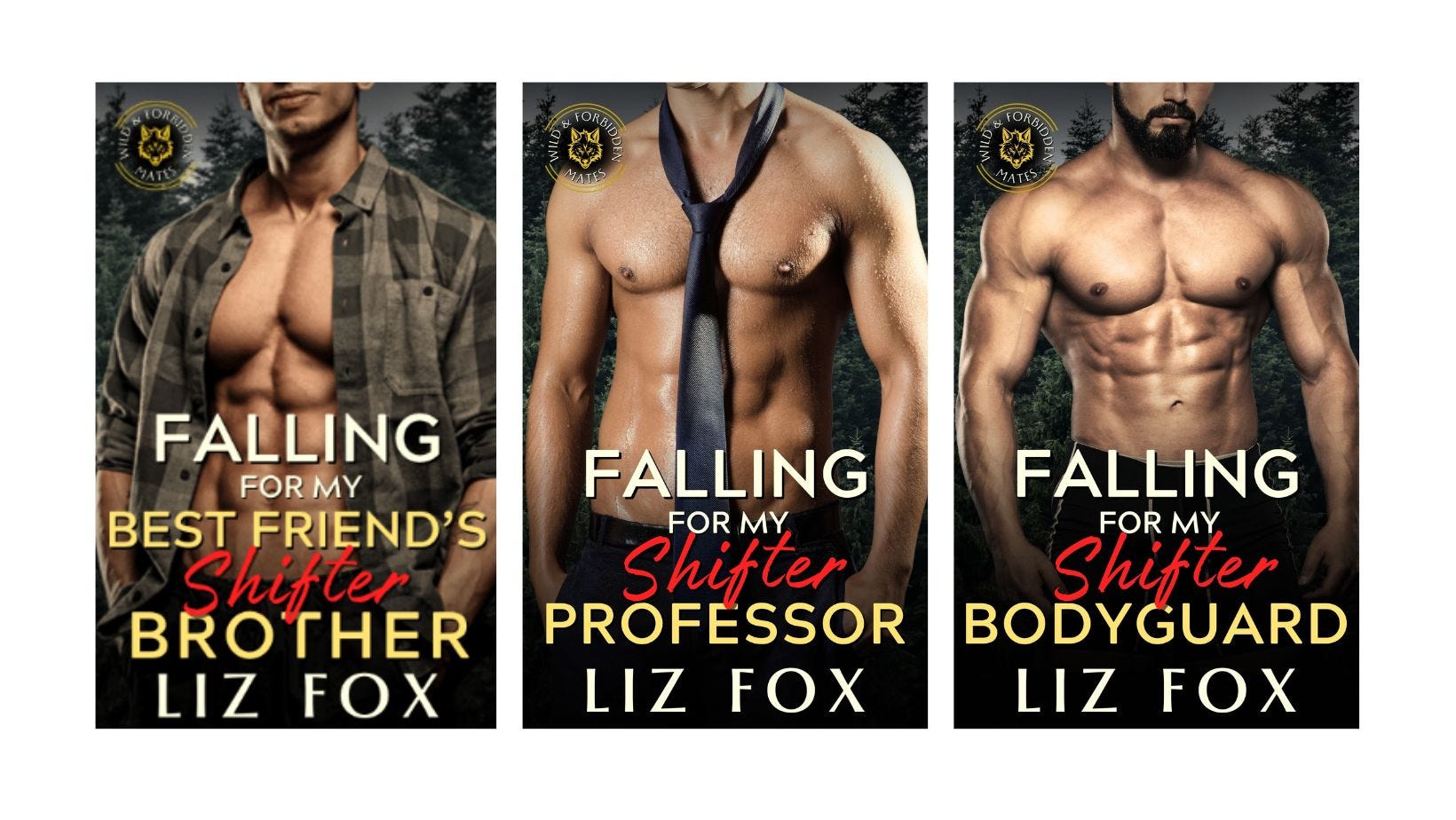
My first shifter romance novella, Falling for My Best Friend's Shifter Brother, was a departure from my usual style.
BTW, clever title, right? Actually, the title itself was a deliberate choice, clearly establishing the trope and setting reader expectations (a key principle we discussed in understanding how readers choose books).
So, how did the experiment play out?
The results were eye-opening. In its first month, without any advertising, this new book earned $420. To put that in perspective, my latest contemporary novella, Rugged and Relentless, released around the same time, brought in $240.
That’s obviously a significant difference in earnings.
This unexpected success presented both an opportunity and a challenge. I had tapped into a new market, but was I truly meeting reader expectations?
Analyzing My Book
The first cover I made had been a somewhat casual effort, as the whole venture had been an experiment. If I was going to continue in the genre, I needed to put in a little more effort.
It was time to put our strategic rebranding blueprint into action.
The first step was research. I dove deep into bestseller lists, studying the product pages of successful shifter romance novellas. I paid close attention to color schemes, typography, and imagery. The Genre Reader Profiles we discussed earlier proved invaluable, providing insights into what my target audience expected.
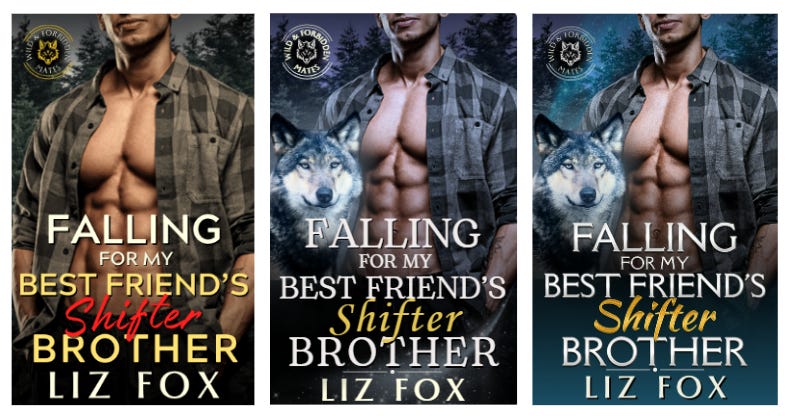
After some analysis, it was clear the first book cover wasn’t quite on brand. Therefore, I embarked on my first round of rebranding
Rebranding Book Covers
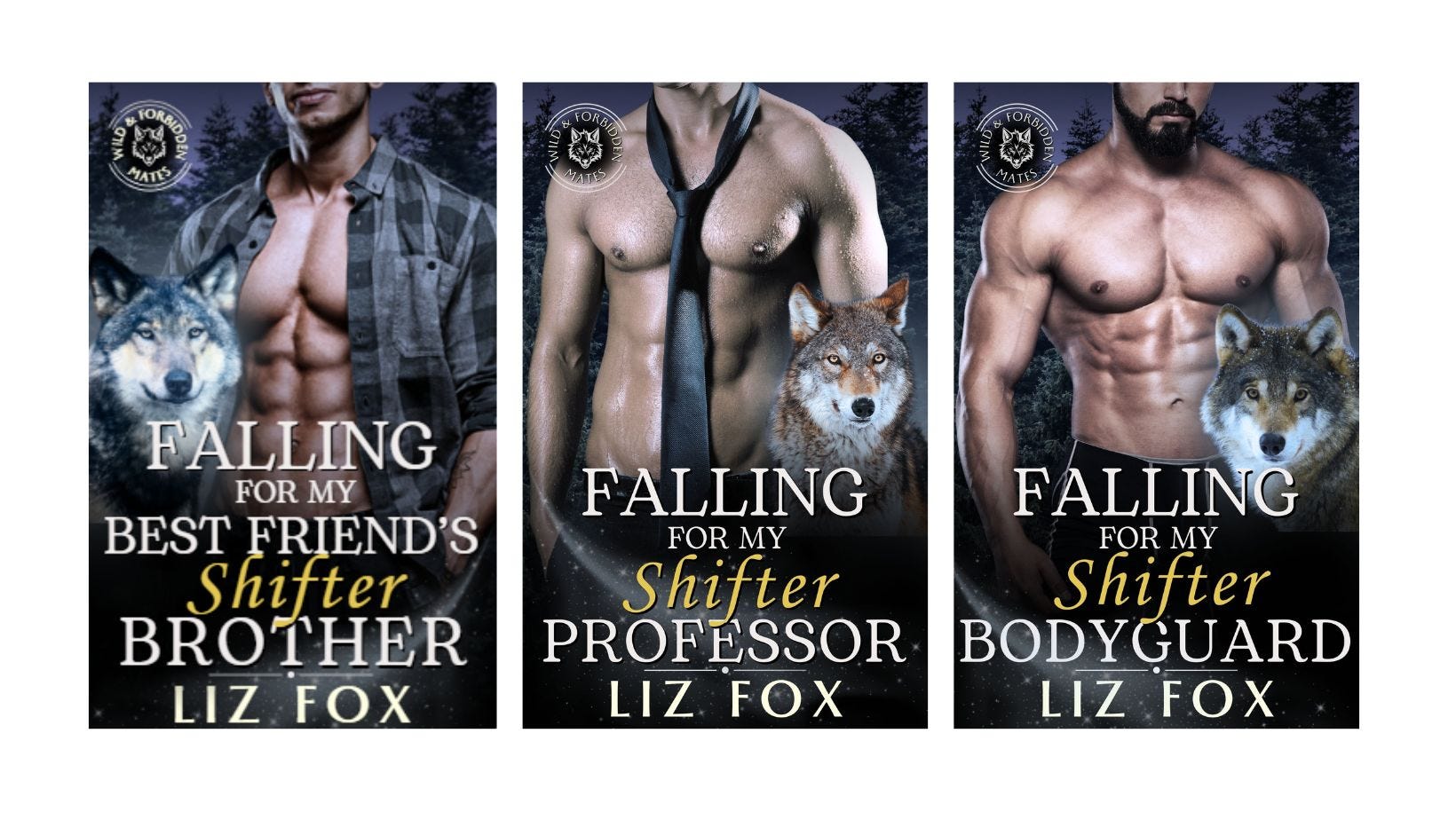
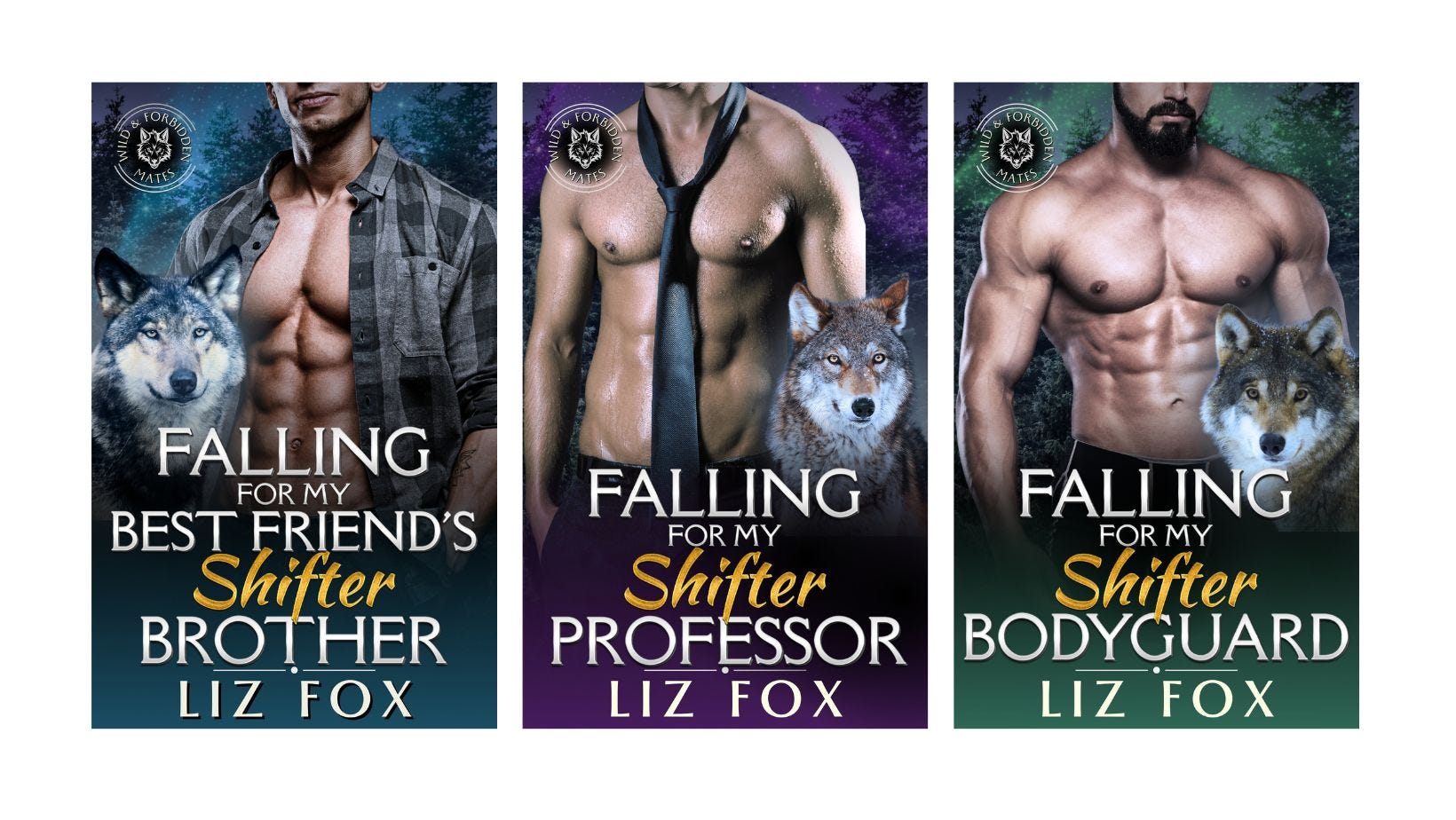
The most significant change I decided to make? Adding a wolf to the cover. It might seem like a small adjustment, but in the world of shifter romance, it speaks volumes to potential readers.
But the journey didn't end there. As I continued to analyze current trends and successful authors in the genre, I realized there was room for further improvement. The covers needed more color, more "pop" to truly stand out in a crowded marketplace.
This led to a second round of rebranding, where I focused on enhancing the visual appeal while maintaining genre expectations. I tweaked the font choices and added color overlays to create a cohesive series look
Rebranding Blurbs
Now, let's talk about blurbs for a minute. Just like with the covers, I've been refining my blurb game too. It's easy to overlook the blurb when you're caught up in cover design, but it's just as crucial in catching a reader's attention.
Why is reviewing and refining your blurb so important? Well, think of it this way: if your cover is what makes a reader stop scrolling, your blurb is what makes them click 'buy'. It's your elevator pitch, your hook, your chance to convince readers that your book is exactly what they're looking for.
In my case, I realized my initial blurb for the shifter romance was a bit too long and wordy, especially for a novella. I decided to refine it, focusing on the main trope of the story—the forbidden professor/student romance—and the core conflict.
Just like with covers, it's okay to iterate.
My first attempt at the blurb wasn't bad, but as I learned more about the genre and what readers expect, I saw room for improvement. I tightened it up, made it more focused, and emphasized the elements that I know shifter romance readers love.
And you know what? I'm still considering tweaking it again to put more emphasis on the 'fated mate' aspect, as that's a big draw in shifter romance.
Challenges of Rebranding
Now, let's talk about the challenges I've faced.
I'll be honest - part of me wonders if I'm spending too much time rebranding this series when I could be writing the next book. It's a constant tug-of-war in my mind between perfecting what I have and pushing forward with new content.
Another hurdle I've encountered is the technical aspect of cover design.
I'm no graphic designer, and while Canva is great for many things, it has its limitations. I've especially struggled with getting the font for the title just right. I don't want my covers to look cheap or amateurish, but I'm working with tools meant for non-designers.
But, you know? Sometimes, you've just got to get creative with the tools at hand!
Early Data
Now, you might be wondering: "Isn't this a lot of work for a single book?" And you'd be right to ask. But here's the thing: this process wasn't just about one book. It was about laying the foundation for a successful series and establishing a strong foothold in a new genre.
The timeline of this journey is worth noting. I published the first shifter romance on June 12th. By August 9th, I had released a second book and uploaded the first rebrand.
And today, I'm implementing the second round of changes. That's right – three iterations in just two months.
It might seem like overkill, but in the world of indie publishing, continuous refinement and experimentation are crucial. This process allows us to fine-tune our approach and maximize our books' potential in the market.
So here's the million-dollar question: Is all this effort worth it?
Well, let's look at some early data. From August 5-8, before the second rebrand, the first book in the series made $40.25. From August 9-12, after the first rebrand but before today's changes, it made $69.59.
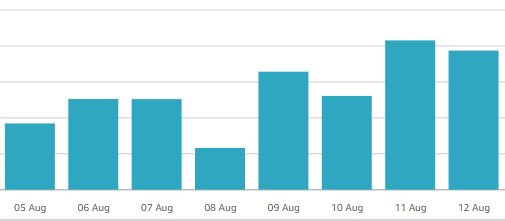
I know what you're thinking – that's a small data set. And you're right. But it's an encouraging trend, especially considering there was no additional marketing push during this time.
It's too early to tell how today's changes will pan out, but I'm eager to see what happens in the next few weeks.
Future Plans
So, what's next? Well, I'm not stopping here. I plan to write more books in this shifter romance series, applying everything I've learned so far. I'm excited to see how these rebranding efforts will impact the performance of future books in the series.
I'm also gearing up for some marketing efforts. I'm planning to run some AMS ads and participate in newsletter promotions. With my newly refined covers and blurbs, I'm hopeful that these marketing efforts will be more effective than they would have been with my original branding.
Lessons Learned
You know, beyond just looking at the sales numbers, this whole process has taught me so much. Reading about branding is one thing, but actually doing it? That's where the real "aha!" moments happen.
So, what have I learned from all this so far?
First off, don't be afraid to try new things. My venture into shifter romance was just supposed to be a little experiment, but look where it's led me! Sometimes, the biggest opportunities come from unexpected places.
Secondly, it's okay to make changes. Your first attempt doesn't have to be perfect - mine sure wasn't! Each time I tweaked my covers or blurbs, I learned something new about what works and what doesn't.
The value of research can't be overstated. Diving into bestseller lists and studying successful books in the genre gave me insights I couldn't have gained any other way. It's not about copying others, but about understanding what readers in your genre expect and value.
I've also learned that small changes can have a big impact. Something as simple as adding a wolf to the cover or tweaking the wording in the blurb can significantly affect how readers perceive your book.
Conclusion
This rebranding journey has been an investment of time and energy, but it's been incredibly rewarding. It's shown me firsthand how the principles we've been discussing in this series can be applied in real-world situations.
Remember, branding isn't a one-and-done deal. It's an ongoing process of learning, adjusting, and refining. Don't be afraid to experiment and make changes. Your brand can (and should) evolve as you learn more about your readers and your market.
I hope sharing my experience has given you some ideas and inspiration for your own author journey. Whether you're thinking about rebranding or just starting out, remember that every step you take is a learning opportunity.
Have you gone through a rebranding process? Or are you considering it? I'd love to hear about your experiences or any questions you might have. Drop a comment below and let's chat!
hugs and happy authoring,
Ella
"Change is hard at first, messy in the middle and gorgeous at the end." - Robin Sharma